Driveway, Patio, or Pool Deck? Concrete Leveling for Each
Updated Jun 2026
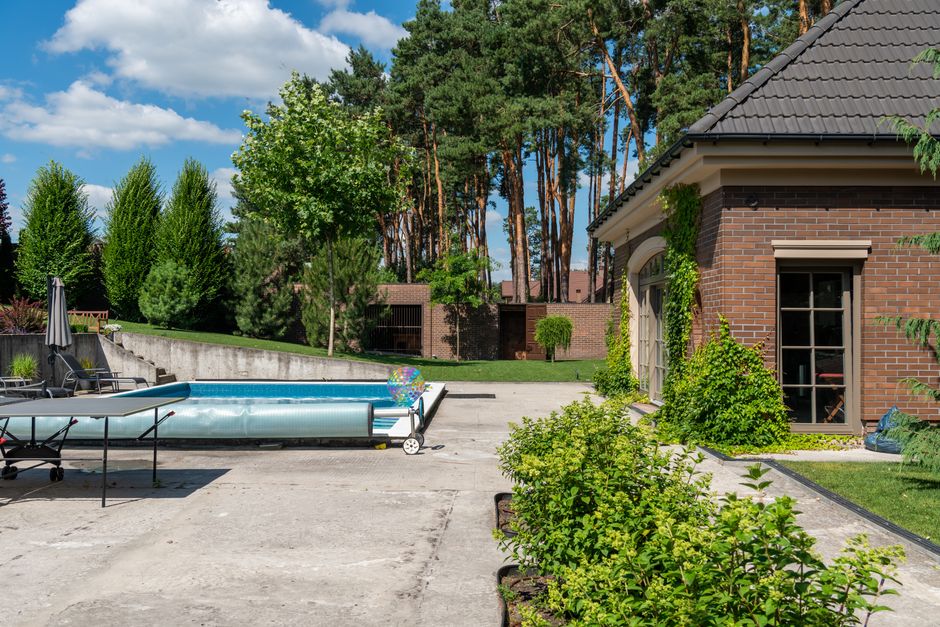
Photo by Max Vakhtbovych on Pexels (Pexels License)
Concrete leveling isn't one-size-fits-all. A driveway carries vehicle weight, a pool deck sits around water, and a garage floor lives indoors — and each surface settles for slightly different reasons and asks for a slightly different approach. Here's how leveling works across the most common slabs around a home.
Driveways
Driveways are among the most common candidates for leveling. They're large, heavily used, and bear the weight of vehicles, so even a modest dip becomes noticeable fast. Settling often shows up as a slab section that drops near the garage apron, or panels that tilt toward the house and pool water at the door.
Because driveways carry load, the contractor will pay close attention to the support beneath them. Both mudjacking and polyurethane foam are used; the choice depends on the slab's size and the soil. The goal is a level, properly draining surface that sends water toward the street, not your garage.
Patios
Patios settle when the soil beneath them erodes or compacts, and the result is usually a slope that runs the wrong way — toward the house instead of away from it. Beyond the trip hazard, a patio that drains backward can push water against your foundation or into a basement.
Leveling a patio restores the intended slope and closes the void underneath. Since patios are living space, homeowners often care about the appearance of injection holes, so it's worth asking how each company patches them.
Sidewalks and walkways
Walkways are where trip hazards bite hardest, because a raised lip at a joint is right in your path. Individual panels can be lifted to meet their neighbors, smoothing out the seams that catch toes. Because the slabs are smaller, walkway leveling is often one of the more straightforward jobs — but it still depends on what caused the settling.
Pool decks
Pool decks combine two challenges: water is everywhere, and the slabs surround a structure you don't want to disturb. Settling around a pool creates trip hazards in a wet, barefoot area and can let water drain toward the pool's structure. Many companies lift pool decks using injection methods that work through small holes with minimal disruption. If you have a pool deck, ask a contractor specifically about their experience with this kind of slab.
Garage floors
Garage floors settle for the same reasons outdoor slabs do — eroding or poorly compacted soil — but the symptoms show up as cracks, a slab pulling away from the foundation wall, or a floor that no longer drains toward the door. Leveling can raise a settled garage floor and fill the void beneath it, restoring a flat, usable surface.
What stays the same across surfaces
No matter the slab, the fundamentals hold:
- The cause is in the soil. Eroding, shrinking, or poorly compacted soil creates the void; the slab follows it down.
- Drainage matters. A good repair restores proper slope so water moves away from your home.
- An inspection comes first. A pro who comes to your home can see how the slab settled and recommend a method that fits.
Choosing a provider for your surface
When you compare local companies, mention your specific surface — driveway, patio, sidewalk, pool deck, or garage floor — and ask about their experience with it. Request an in-home inspection and a written estimate, and confirm they'll address the drainage or soil issue behind the settling. The slab may differ, but the path to a lasting fix is the same.